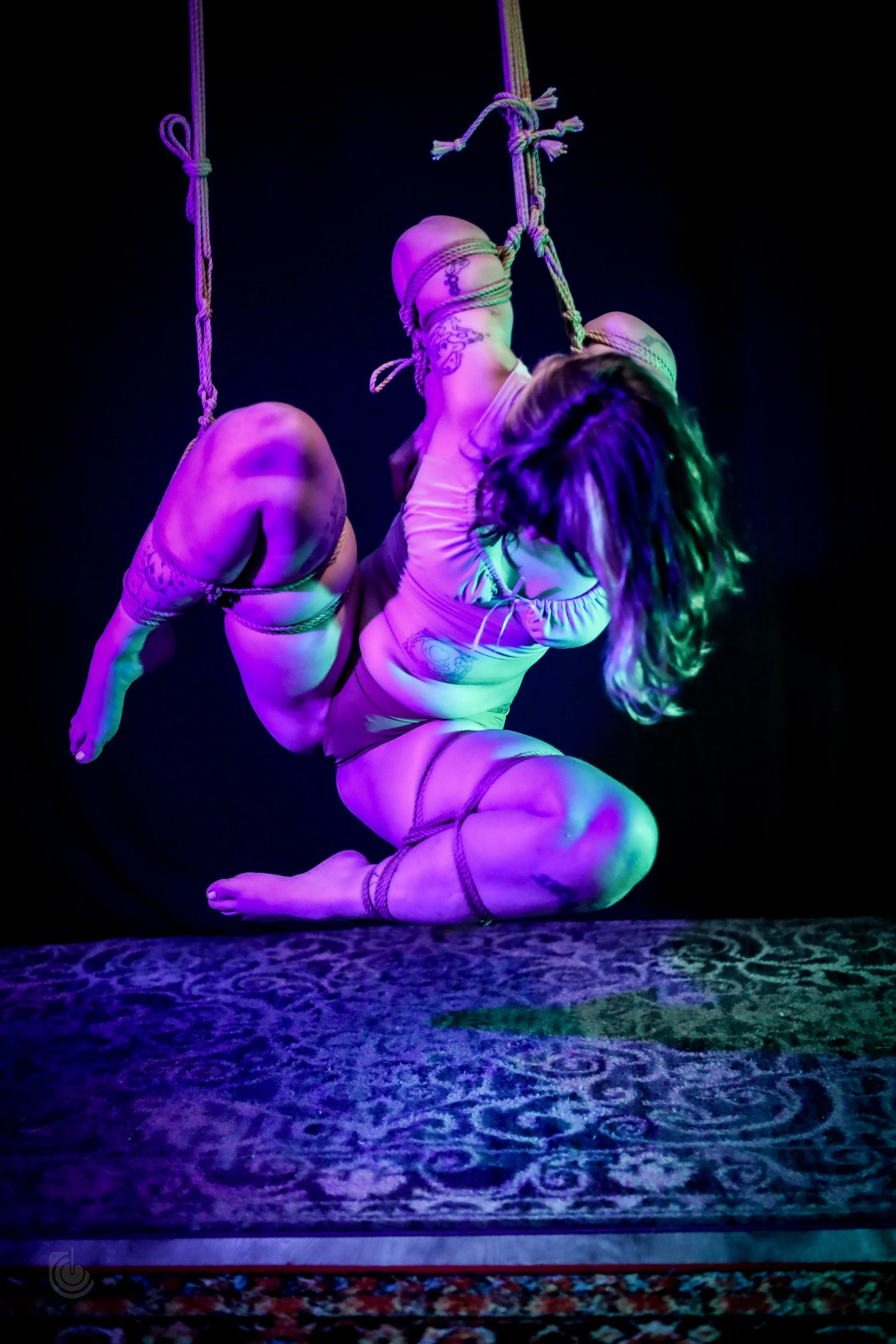
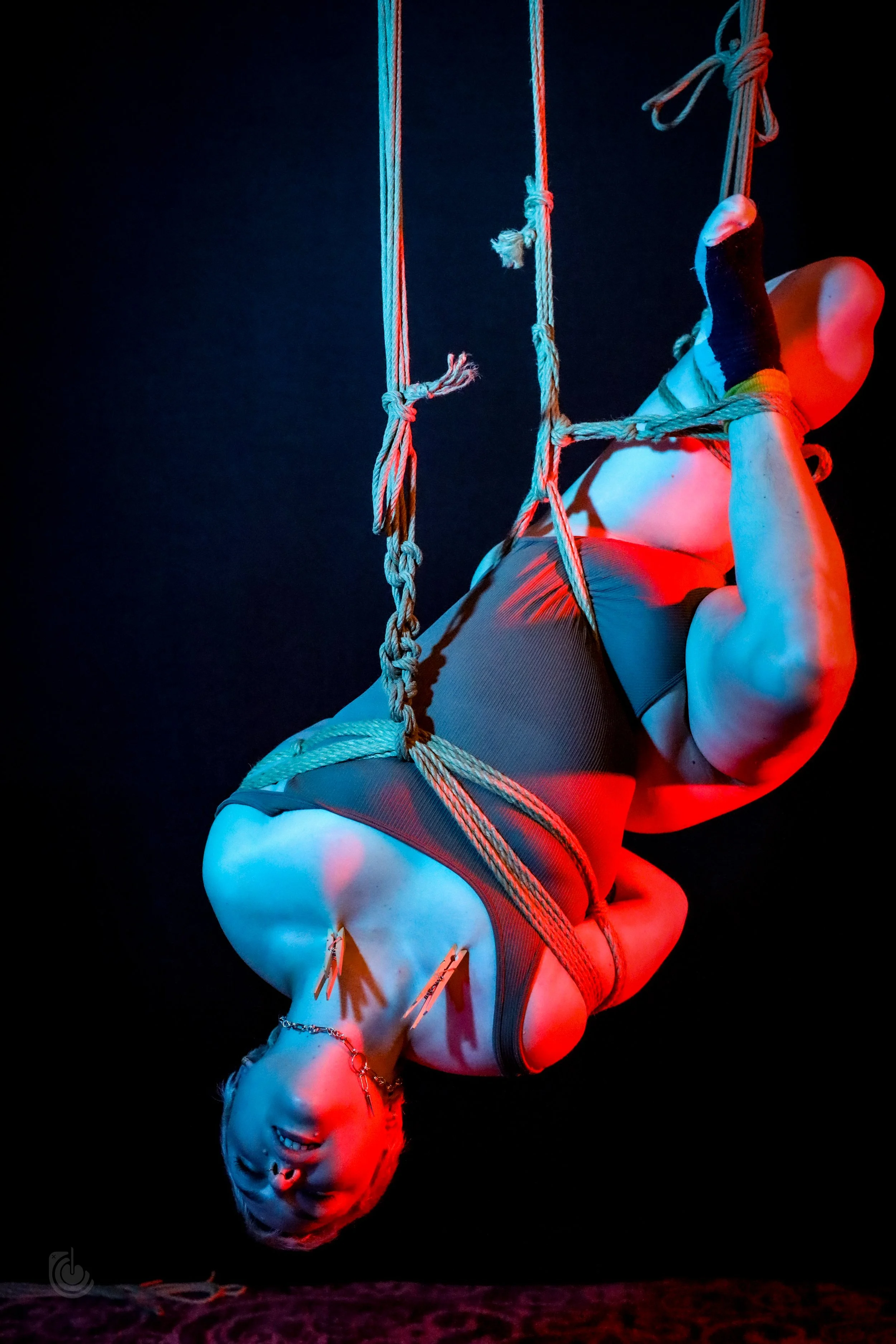
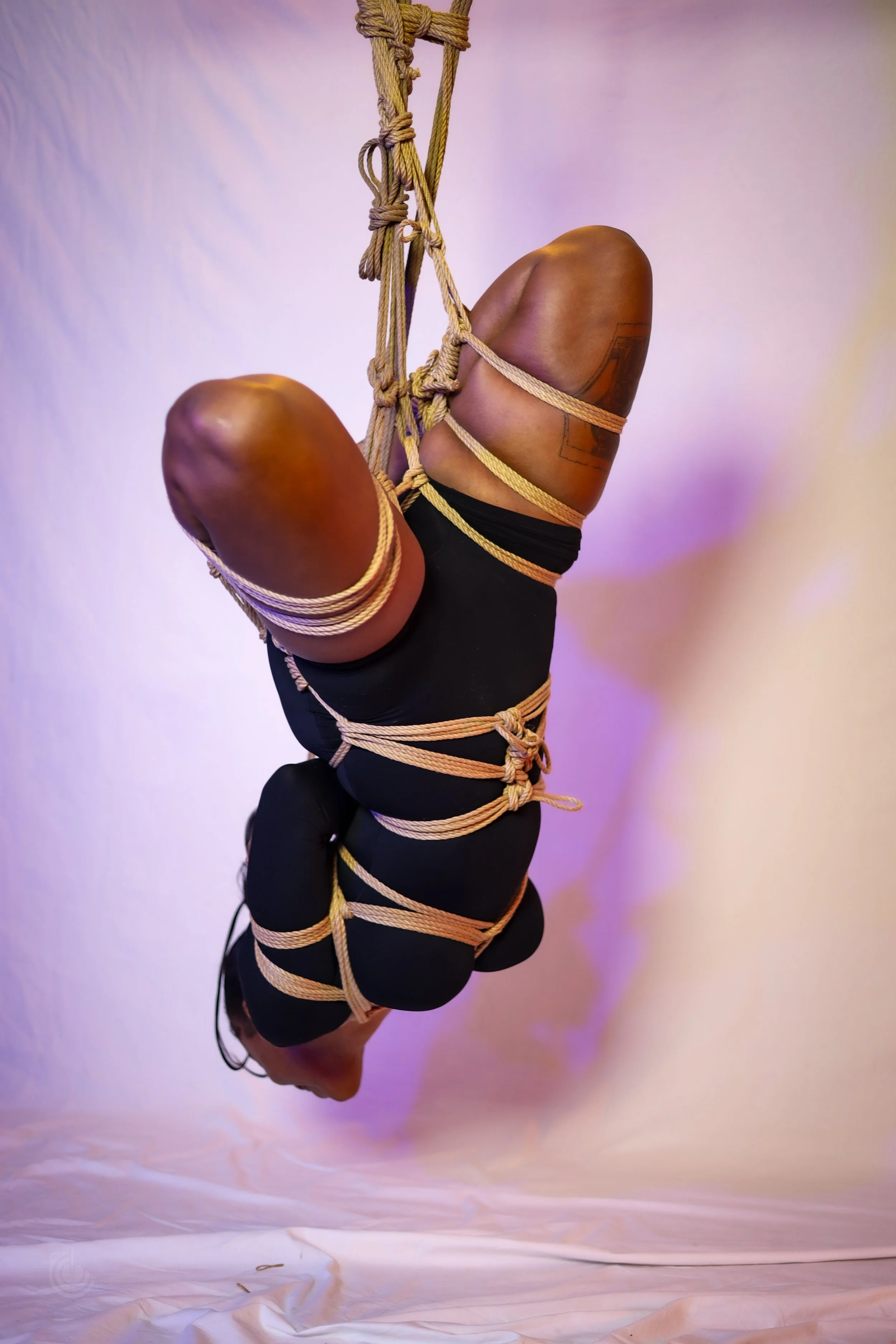
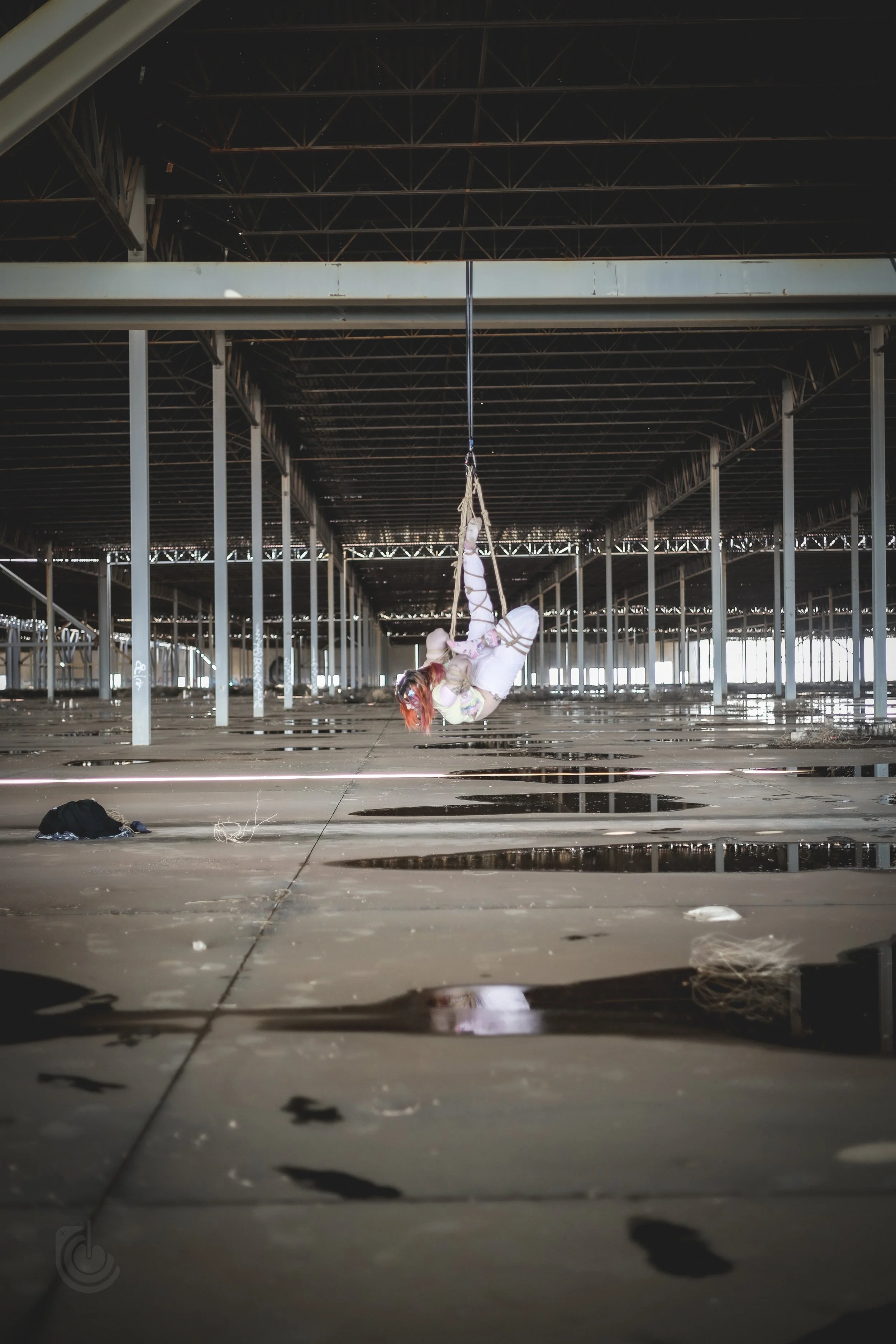
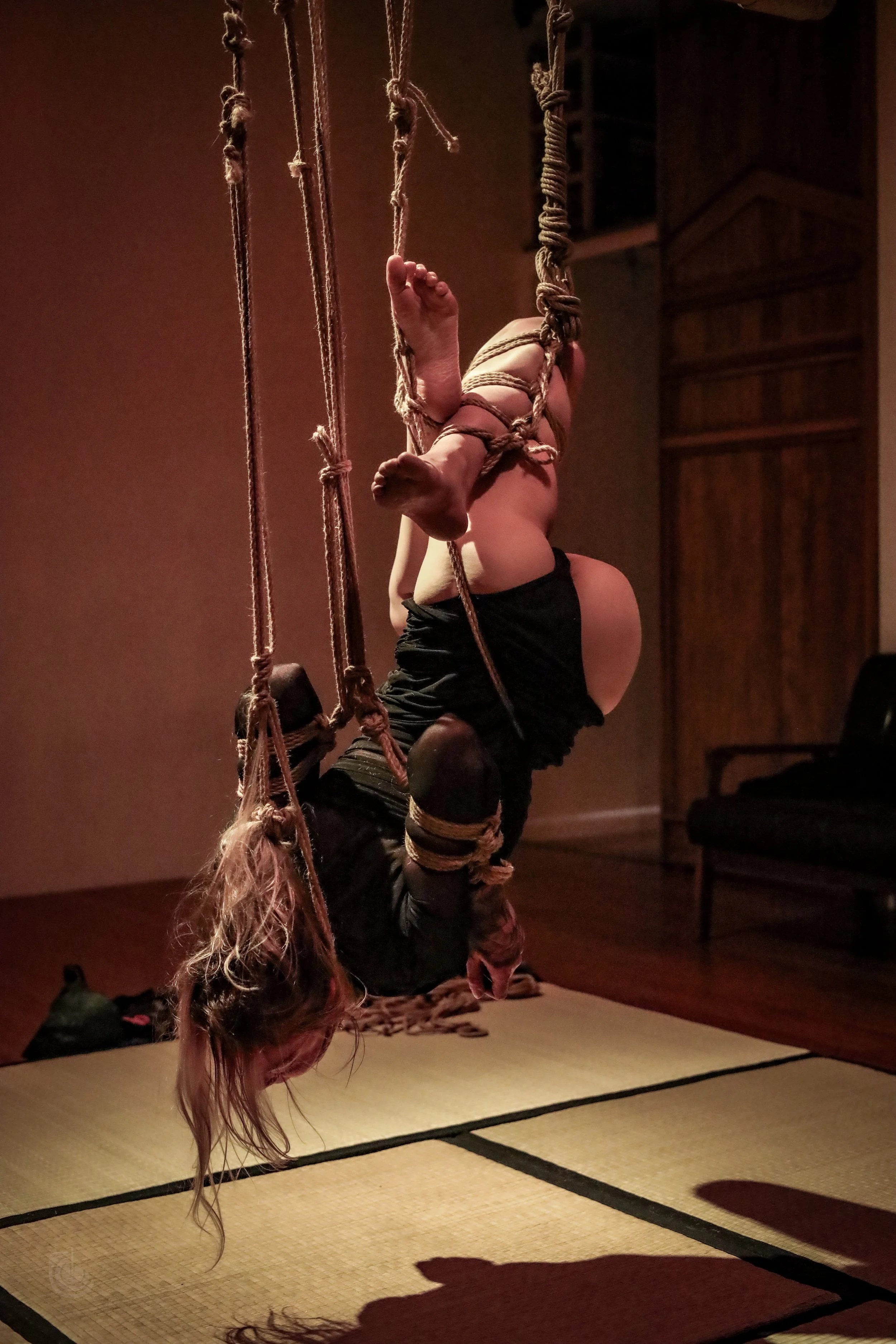
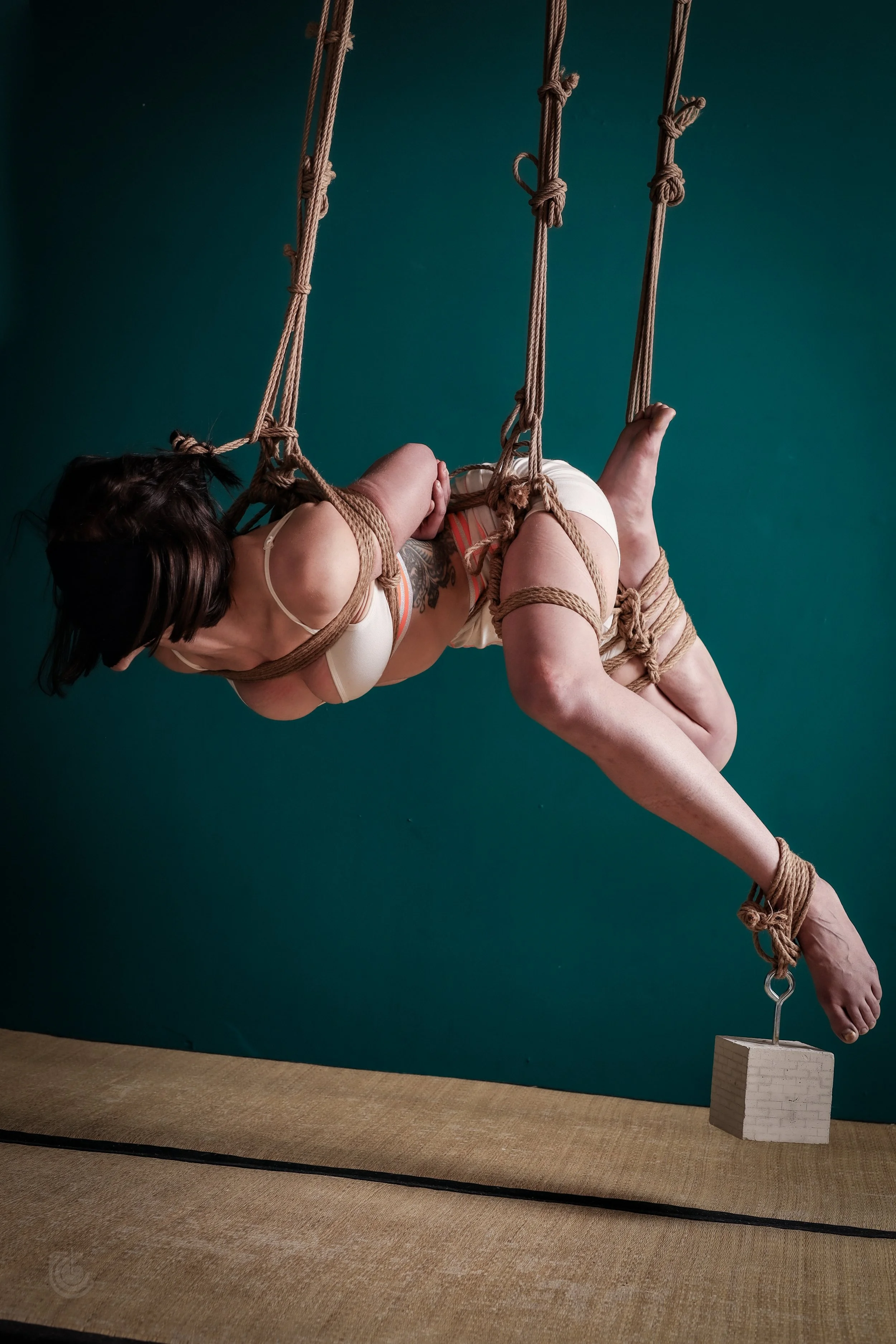
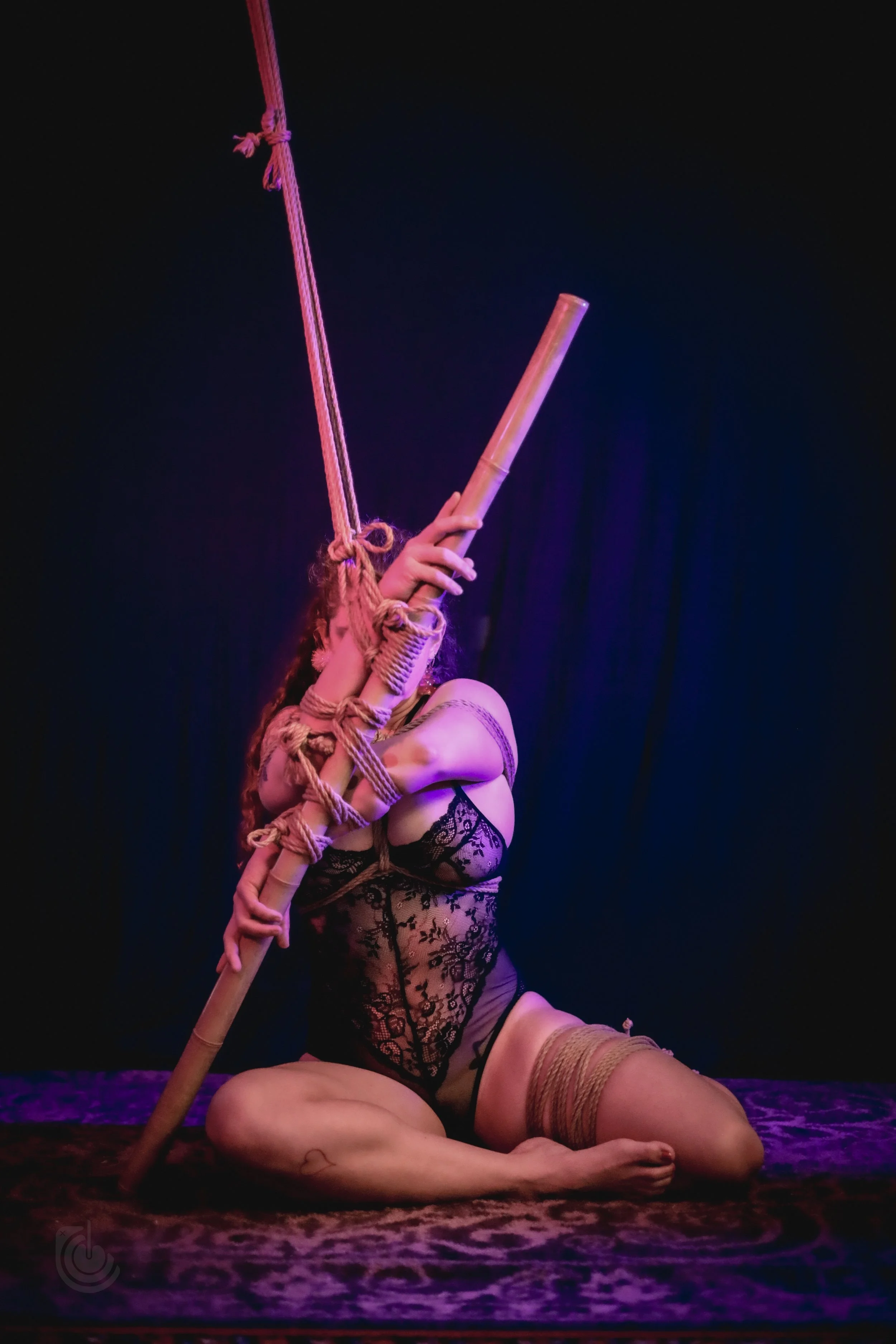
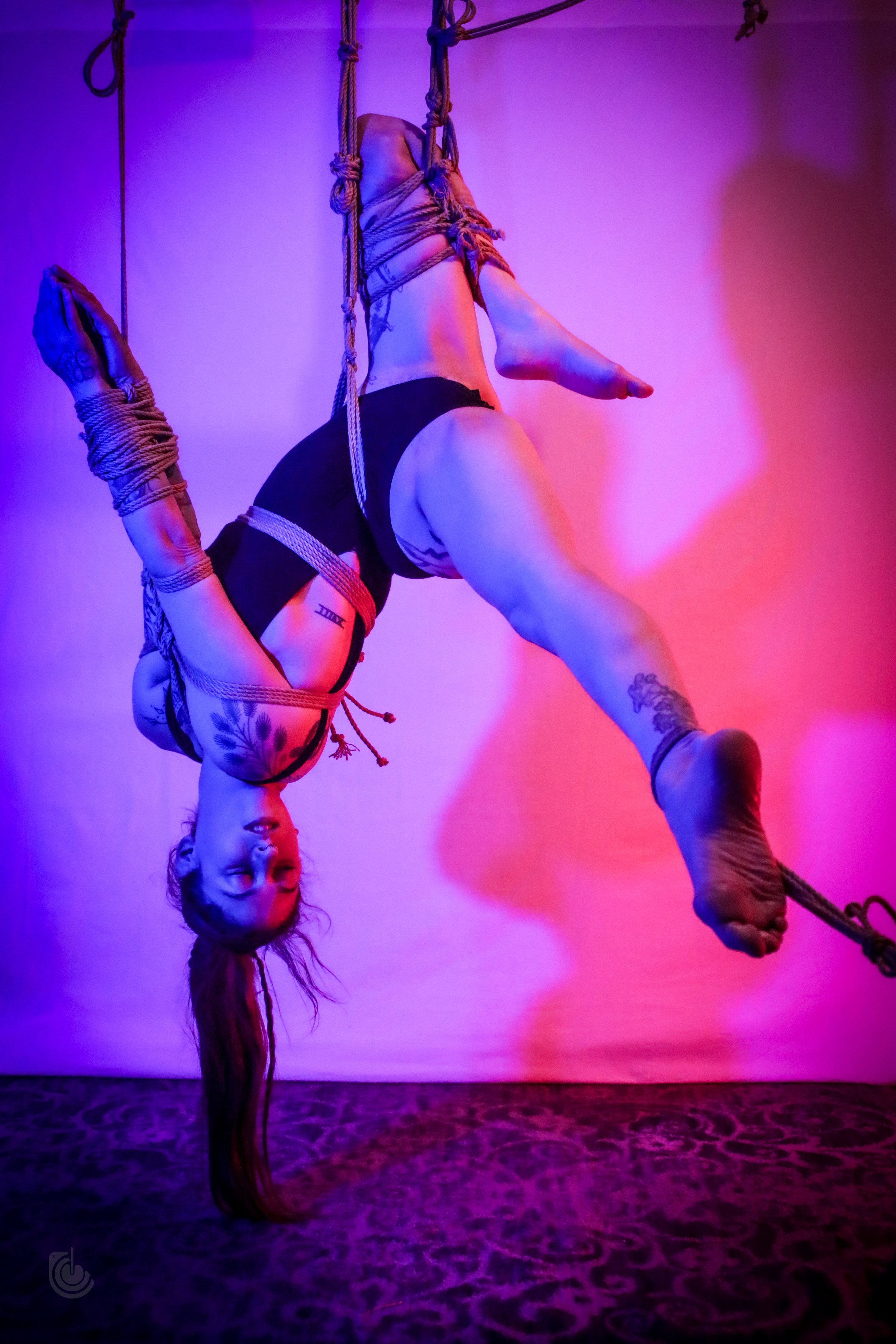
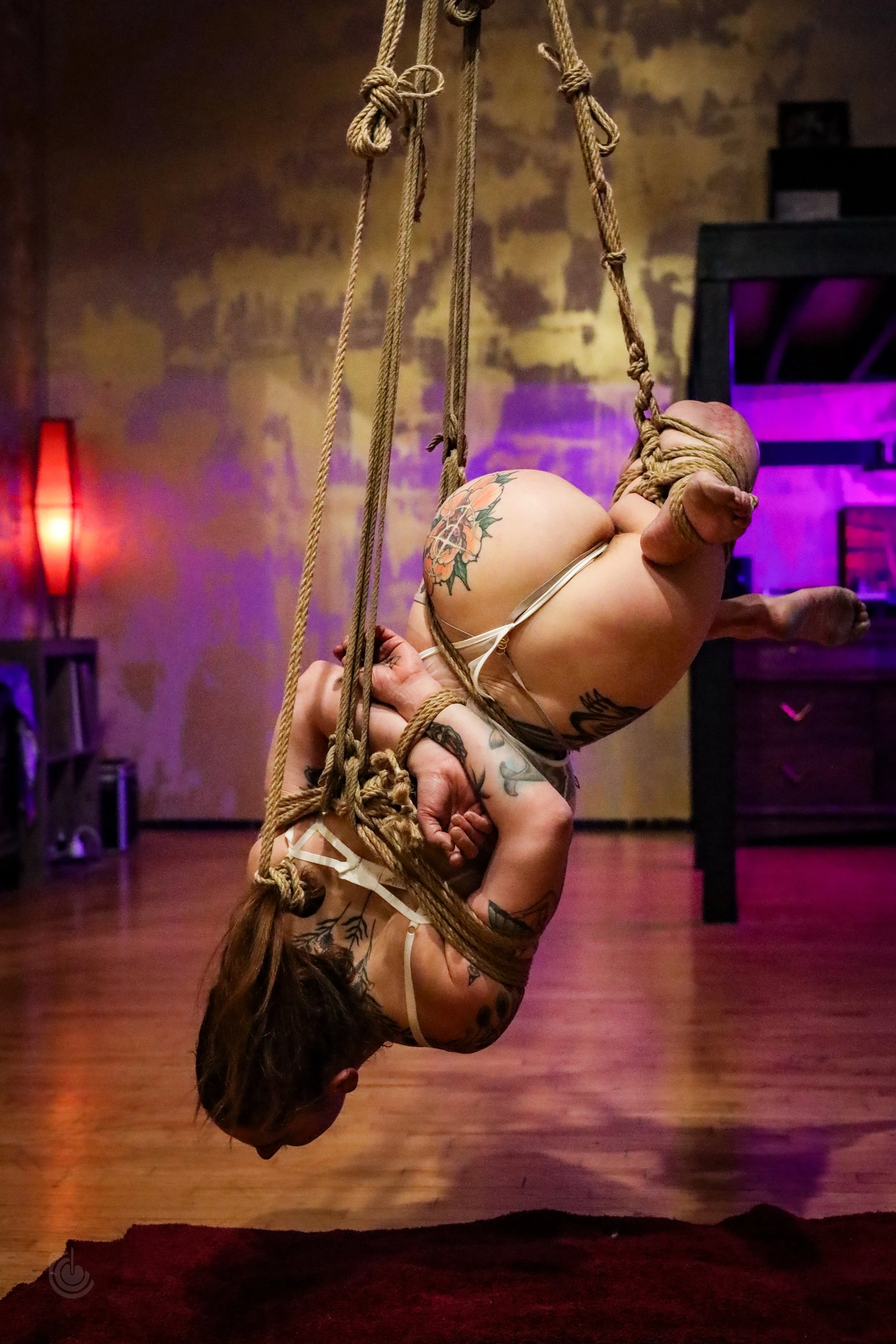
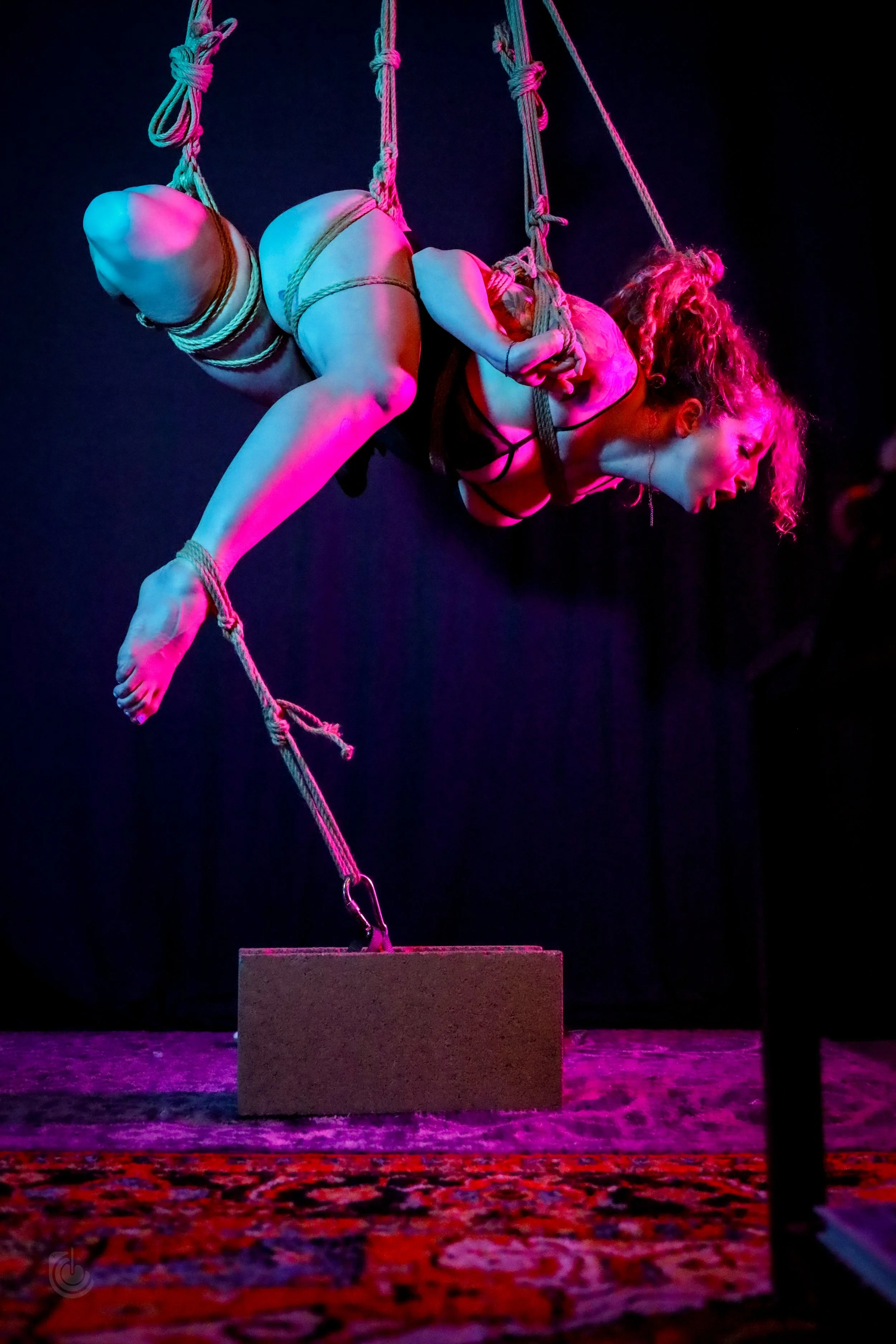
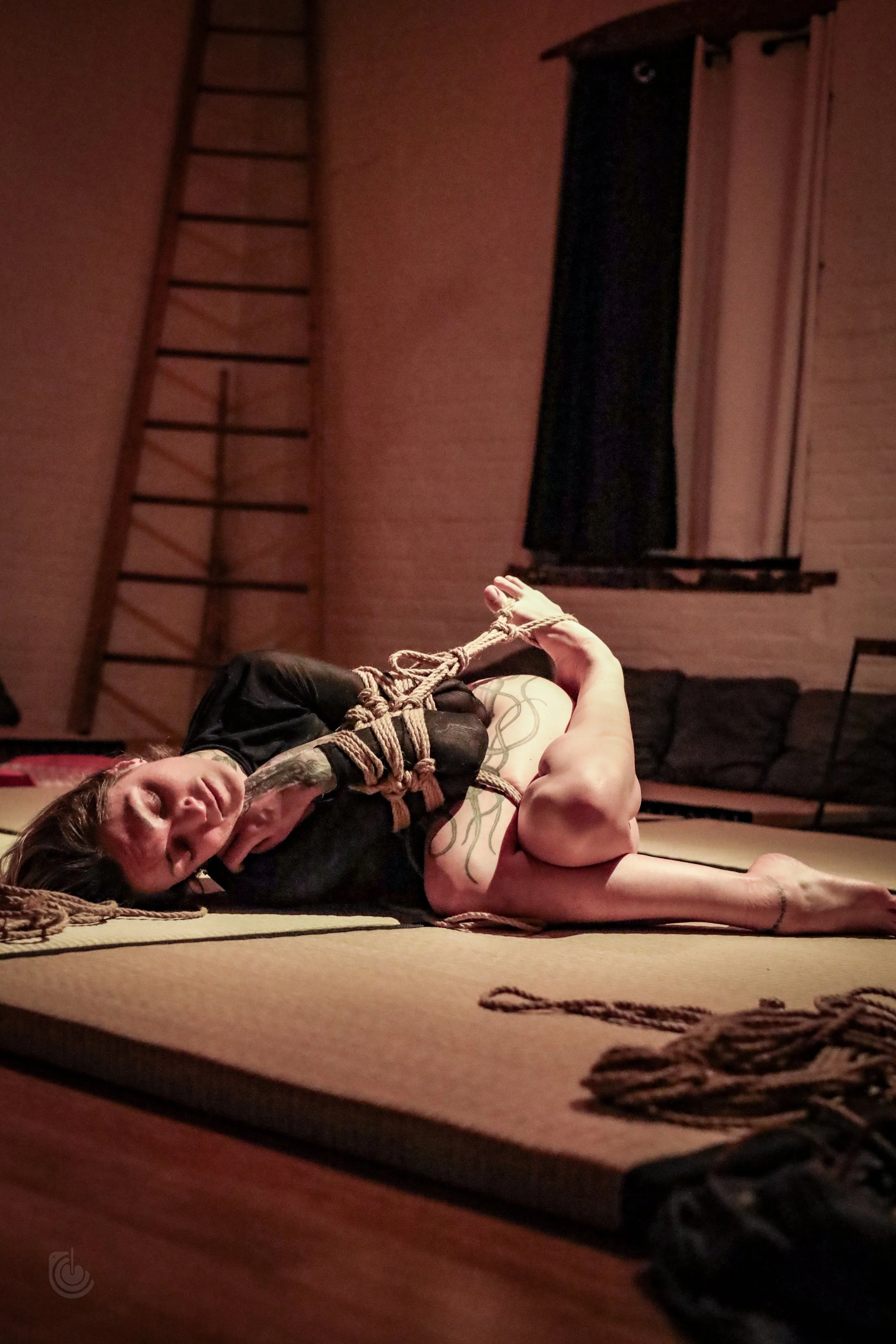
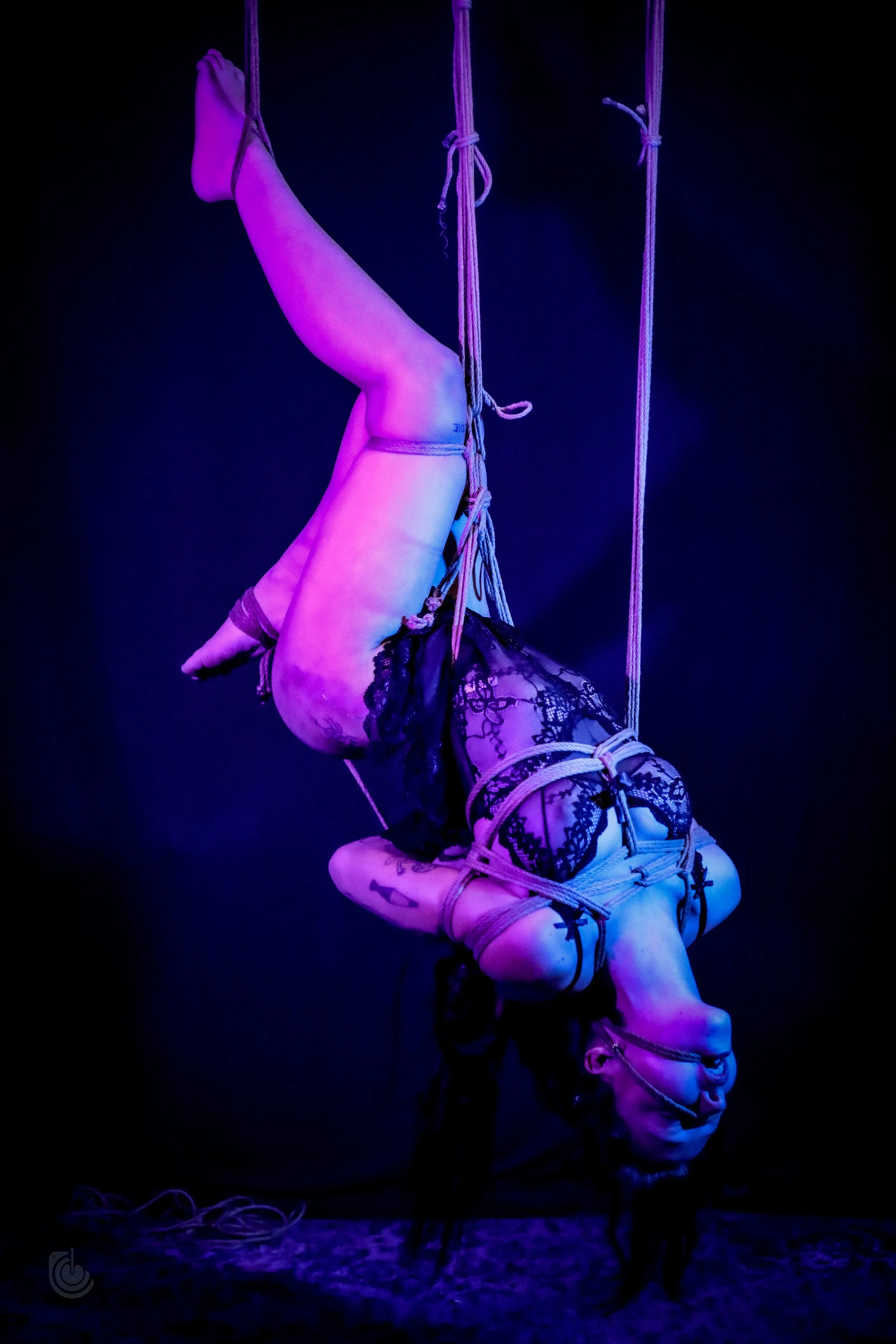
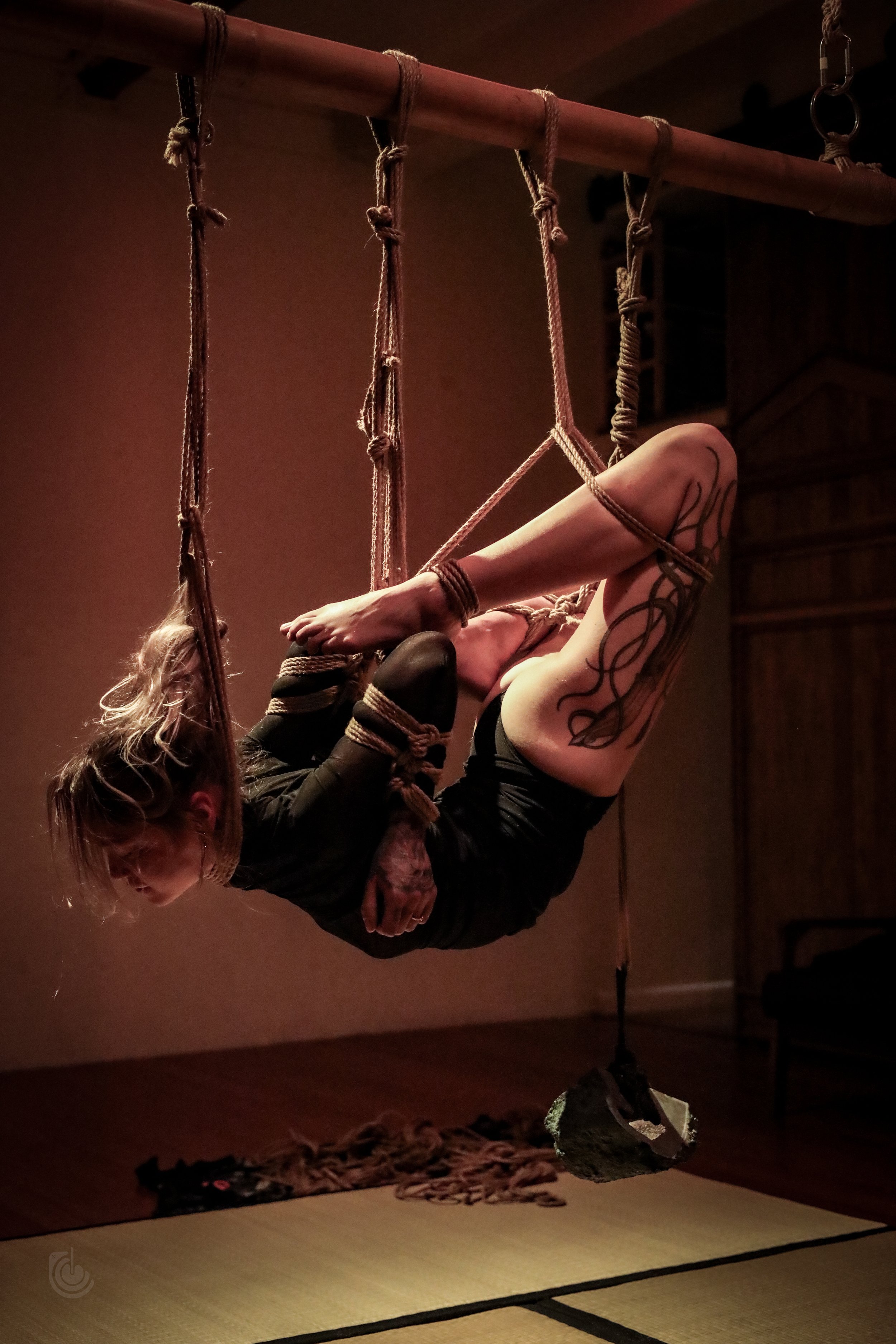
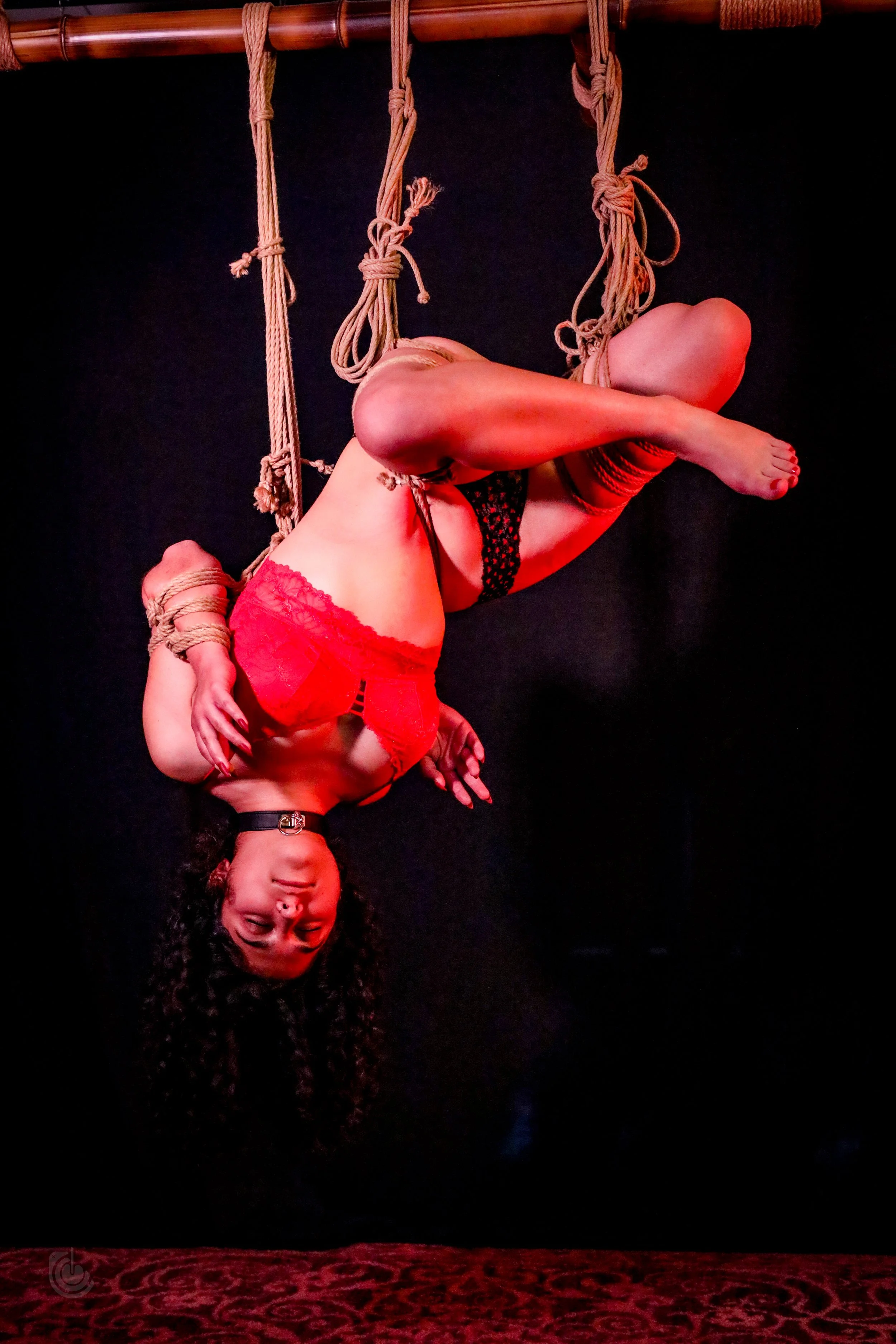
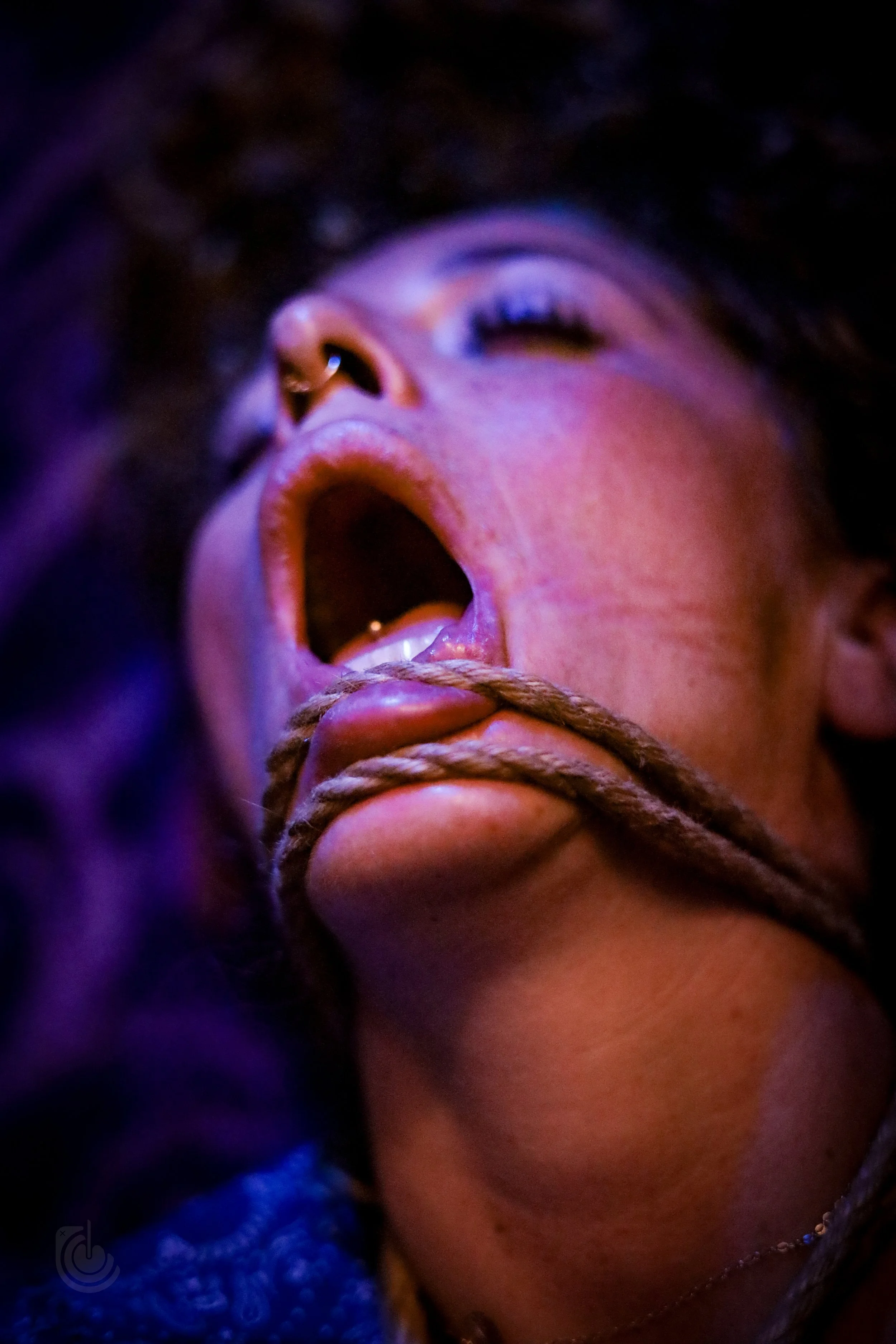
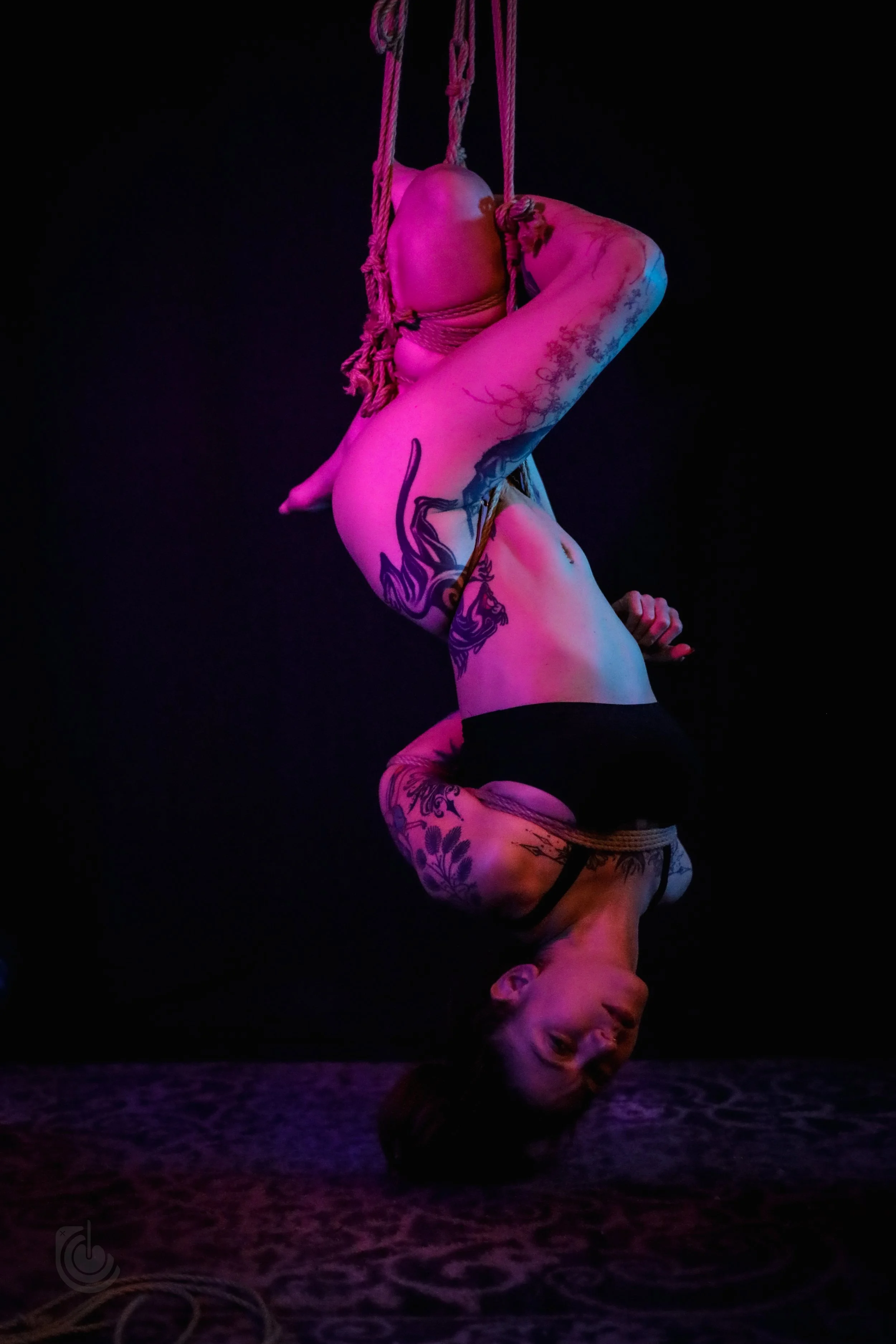
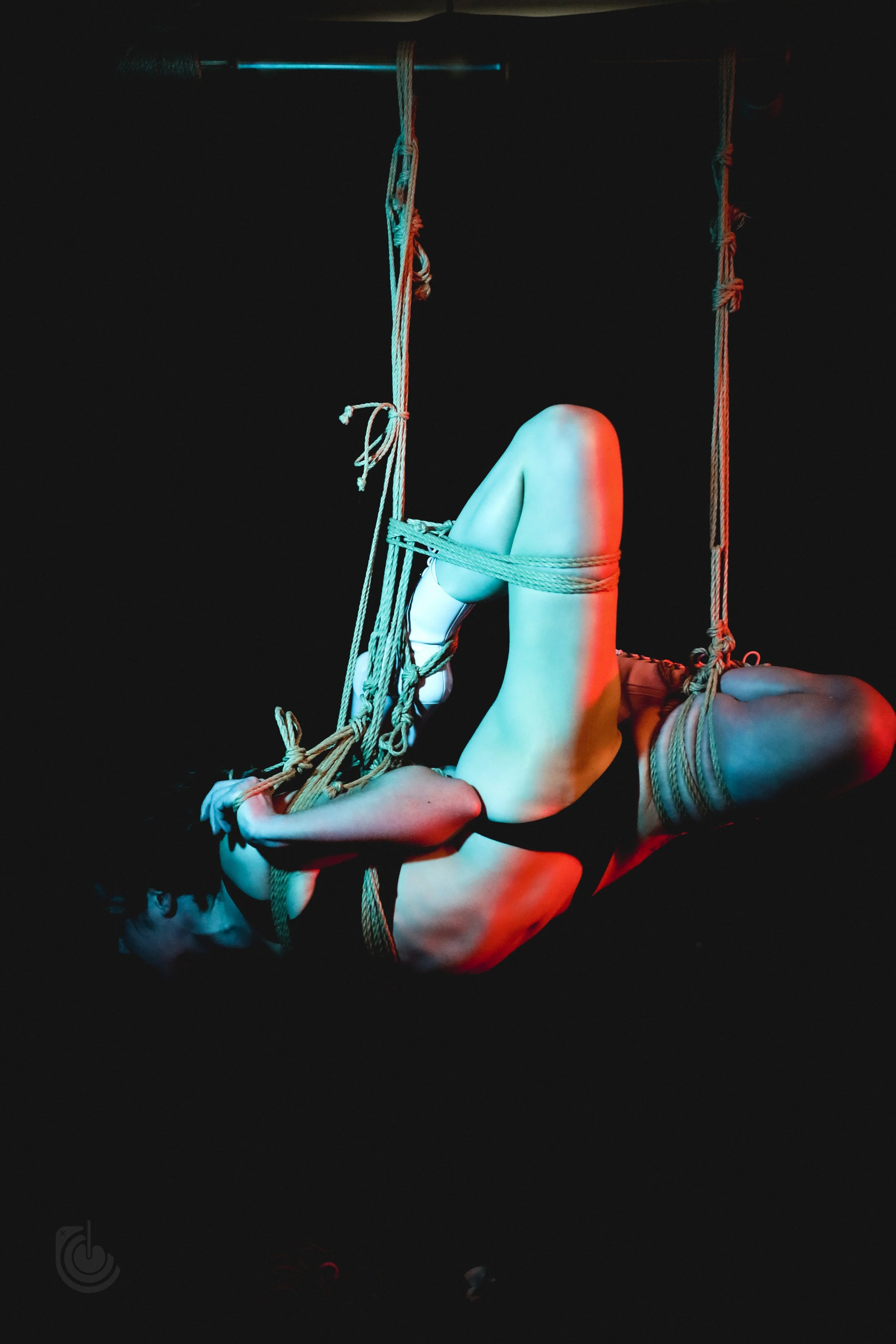
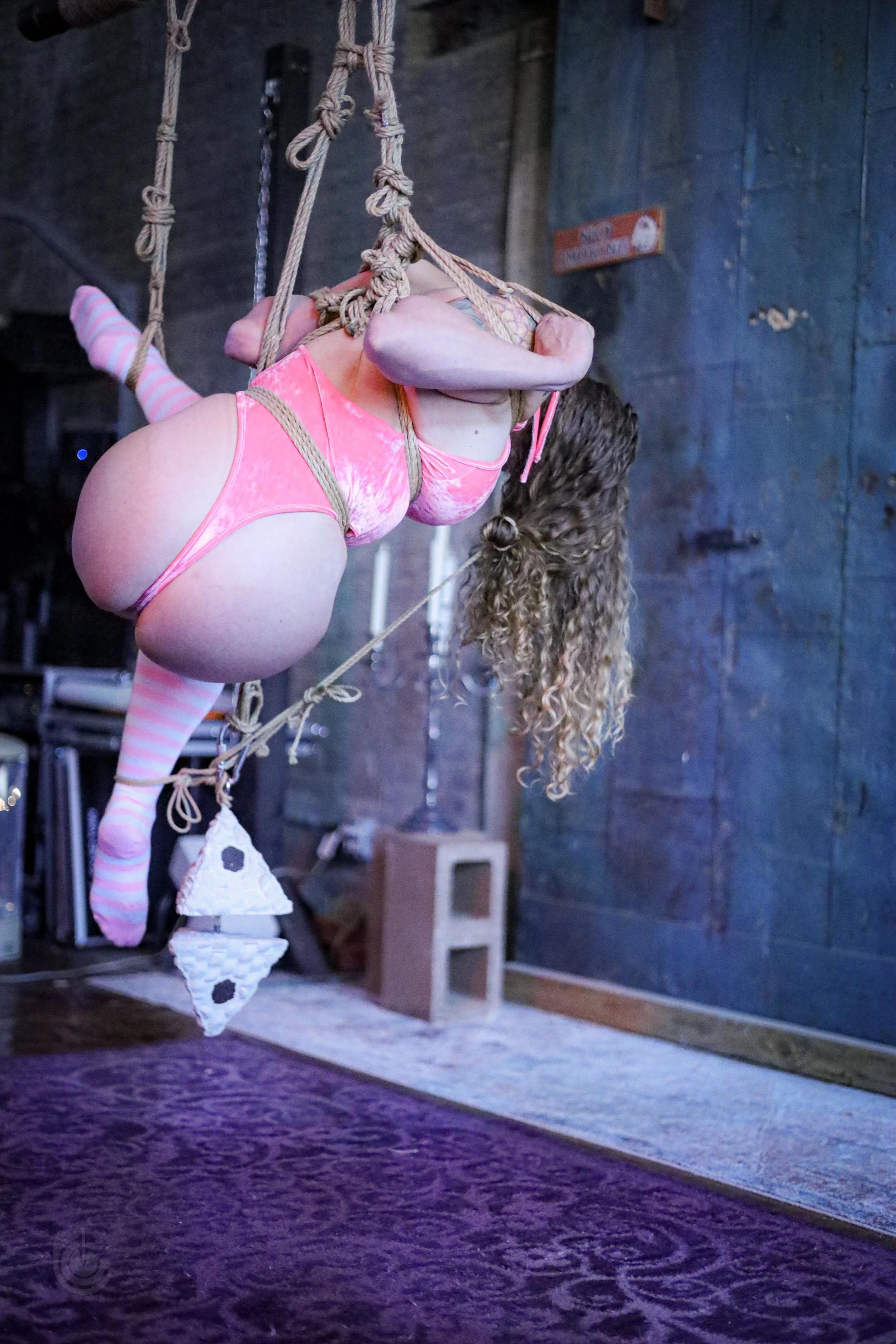
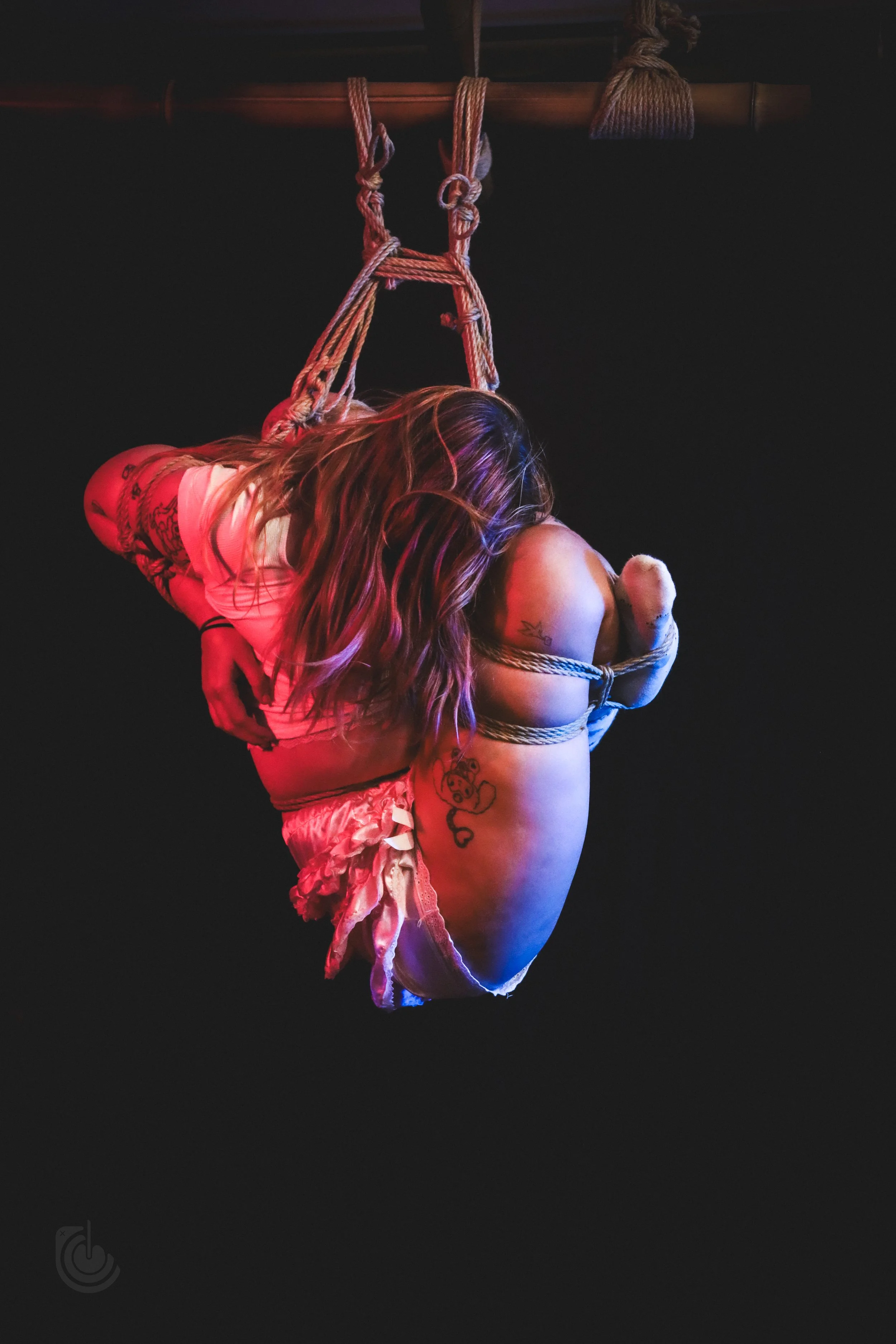
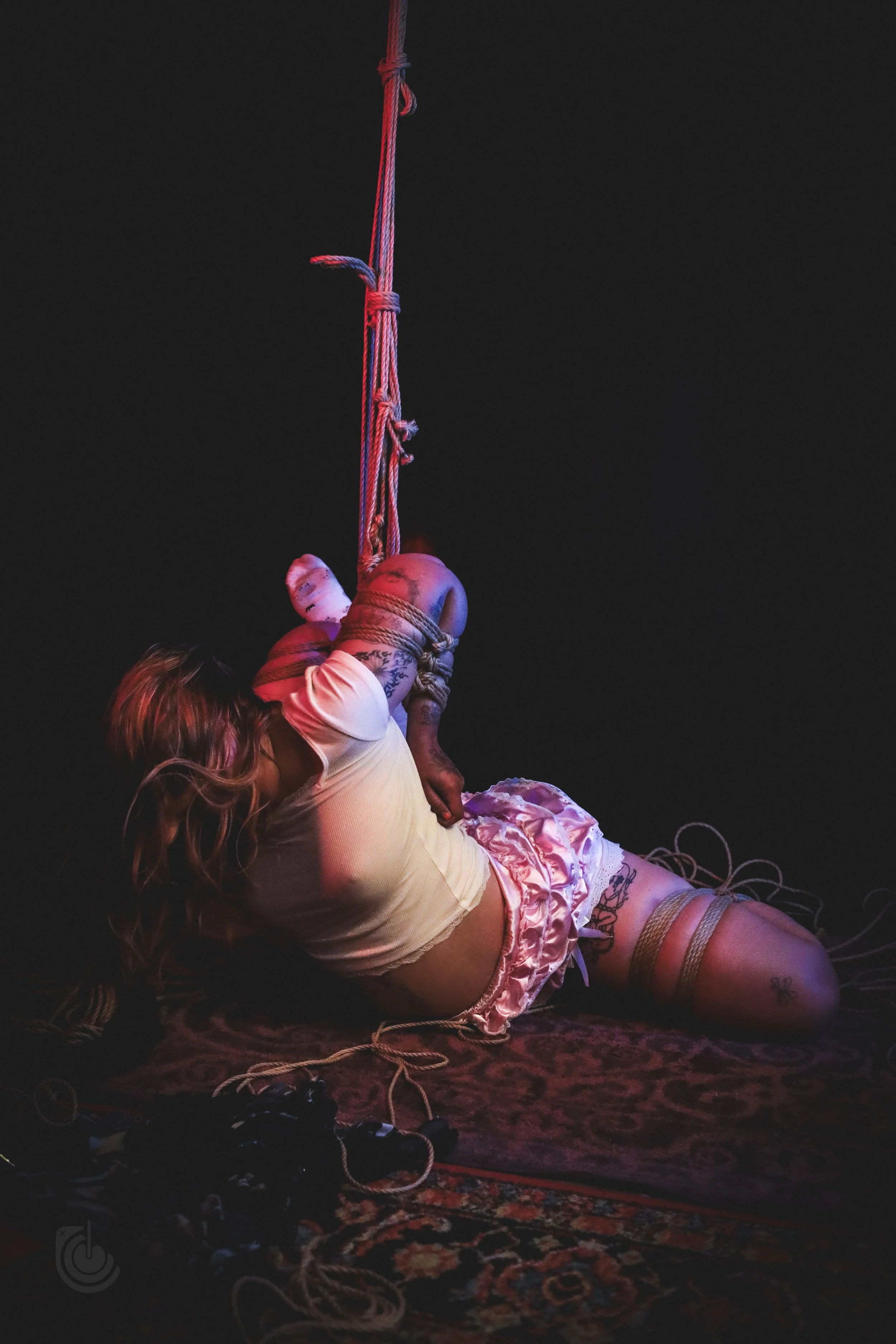
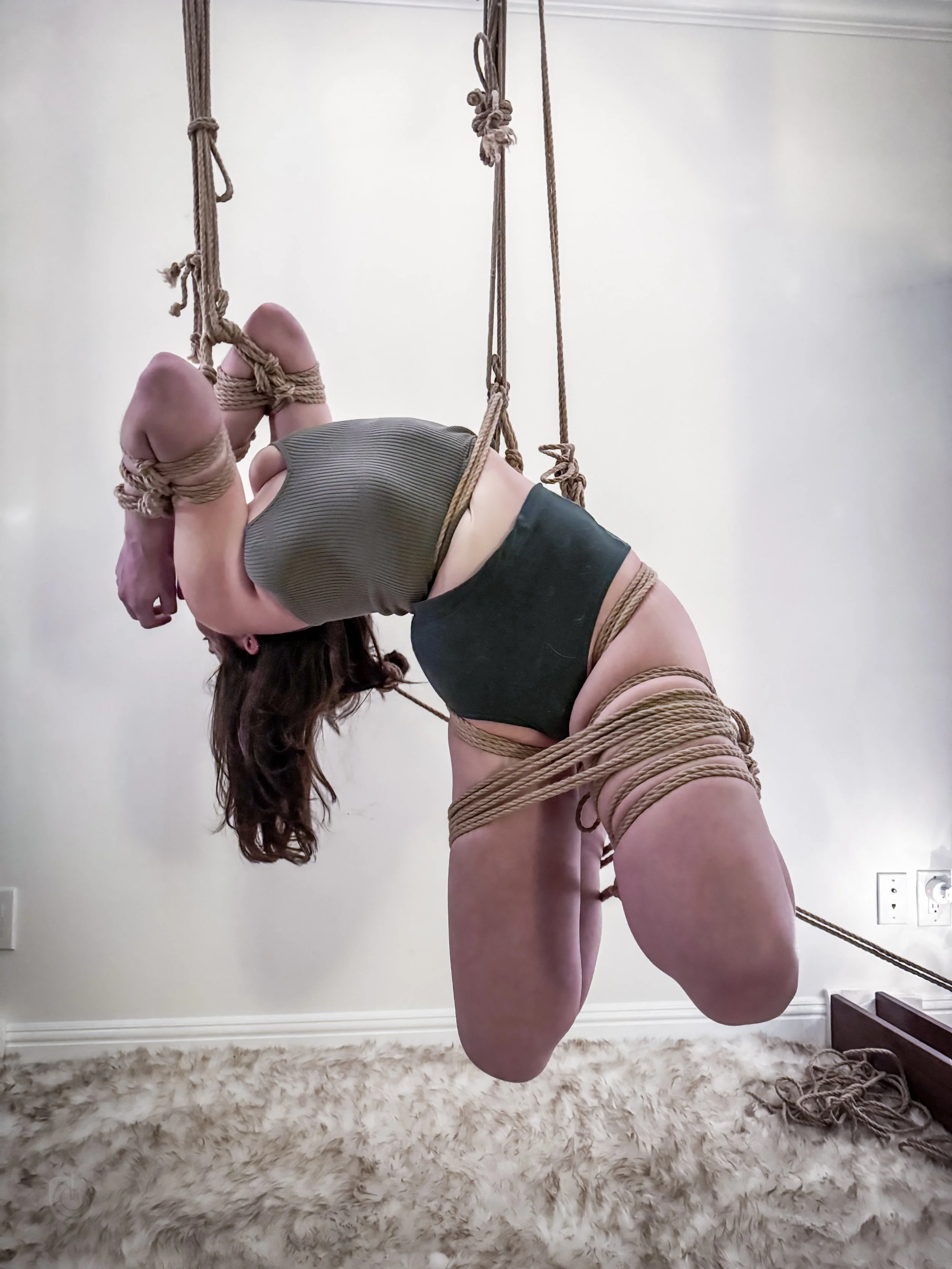
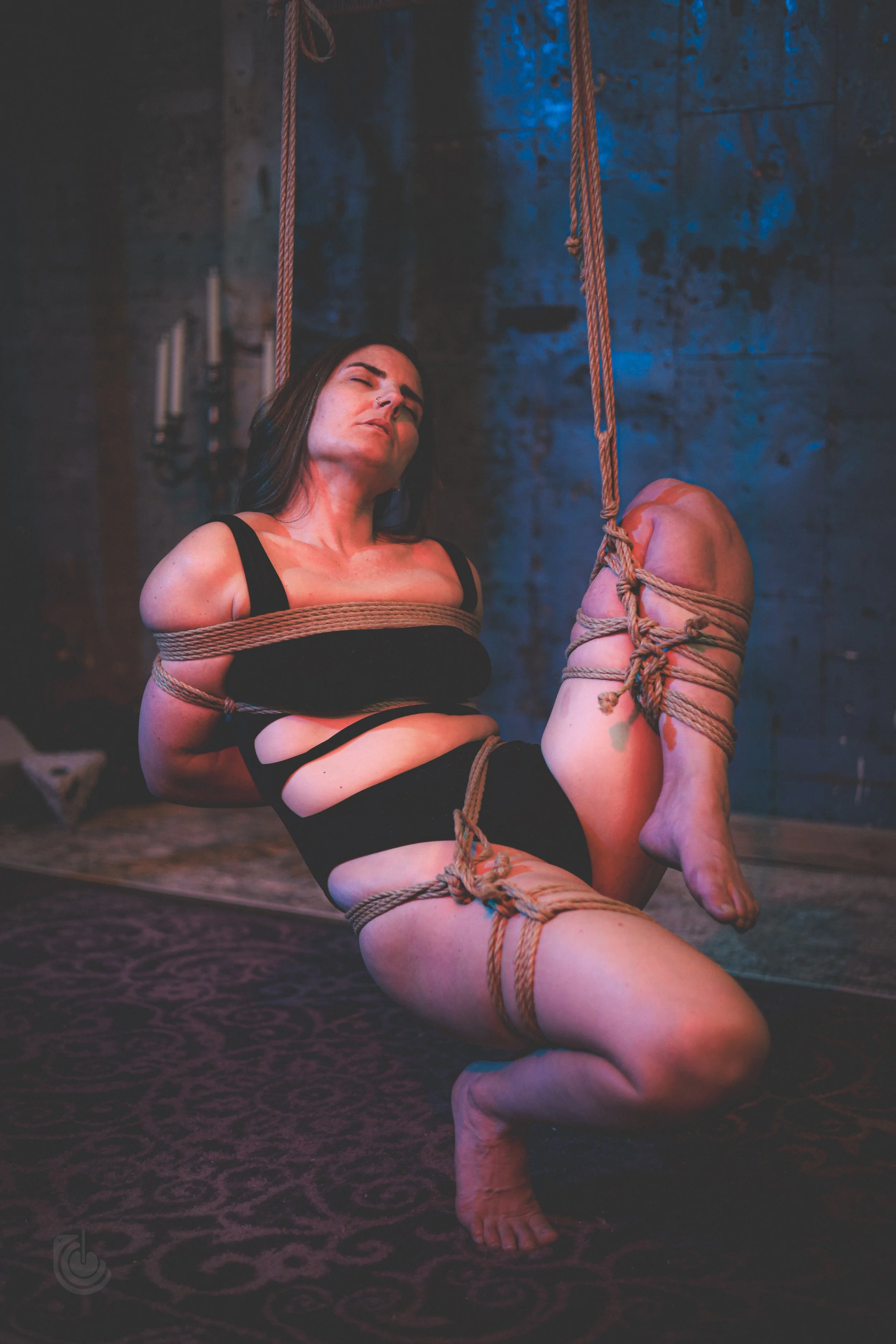
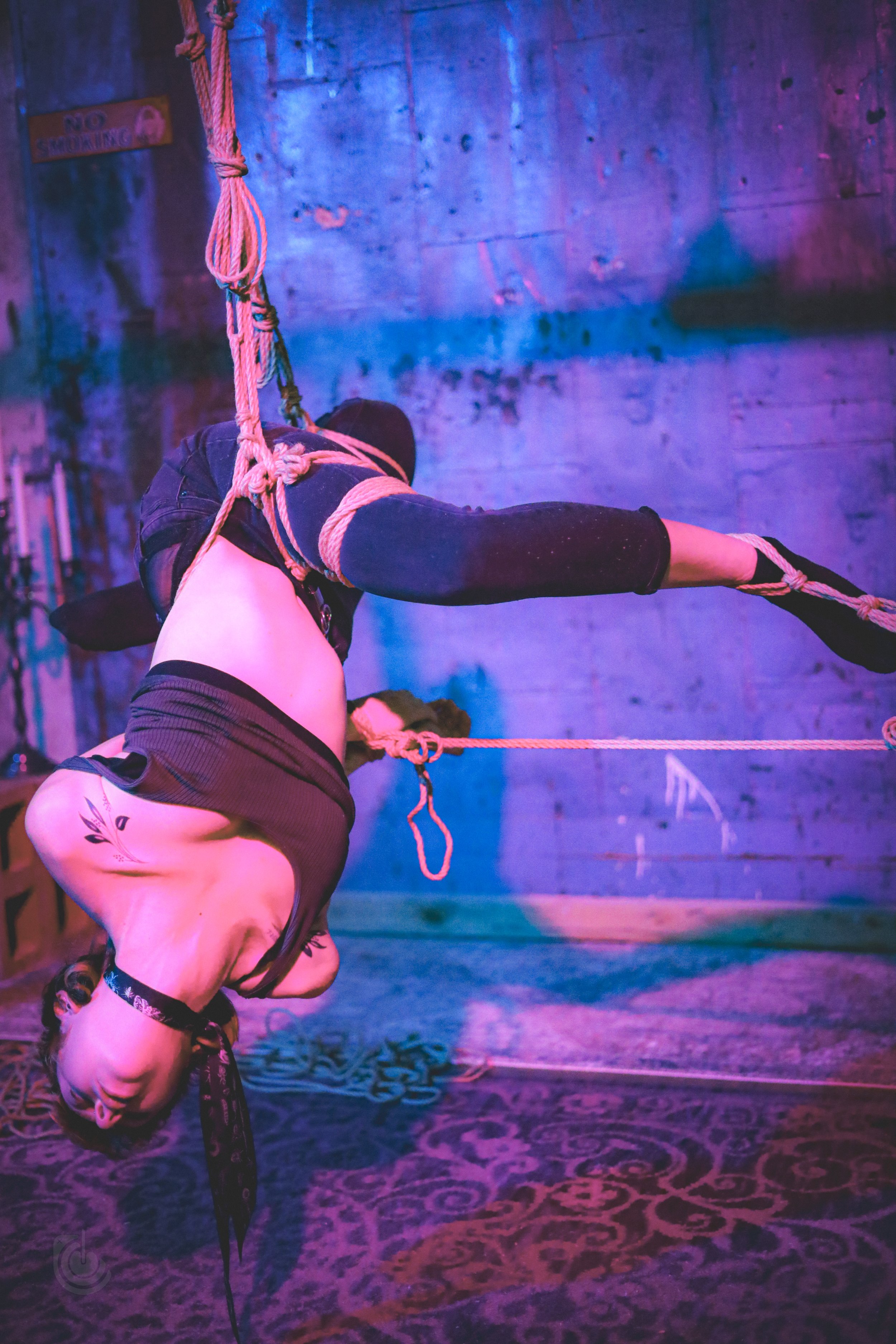
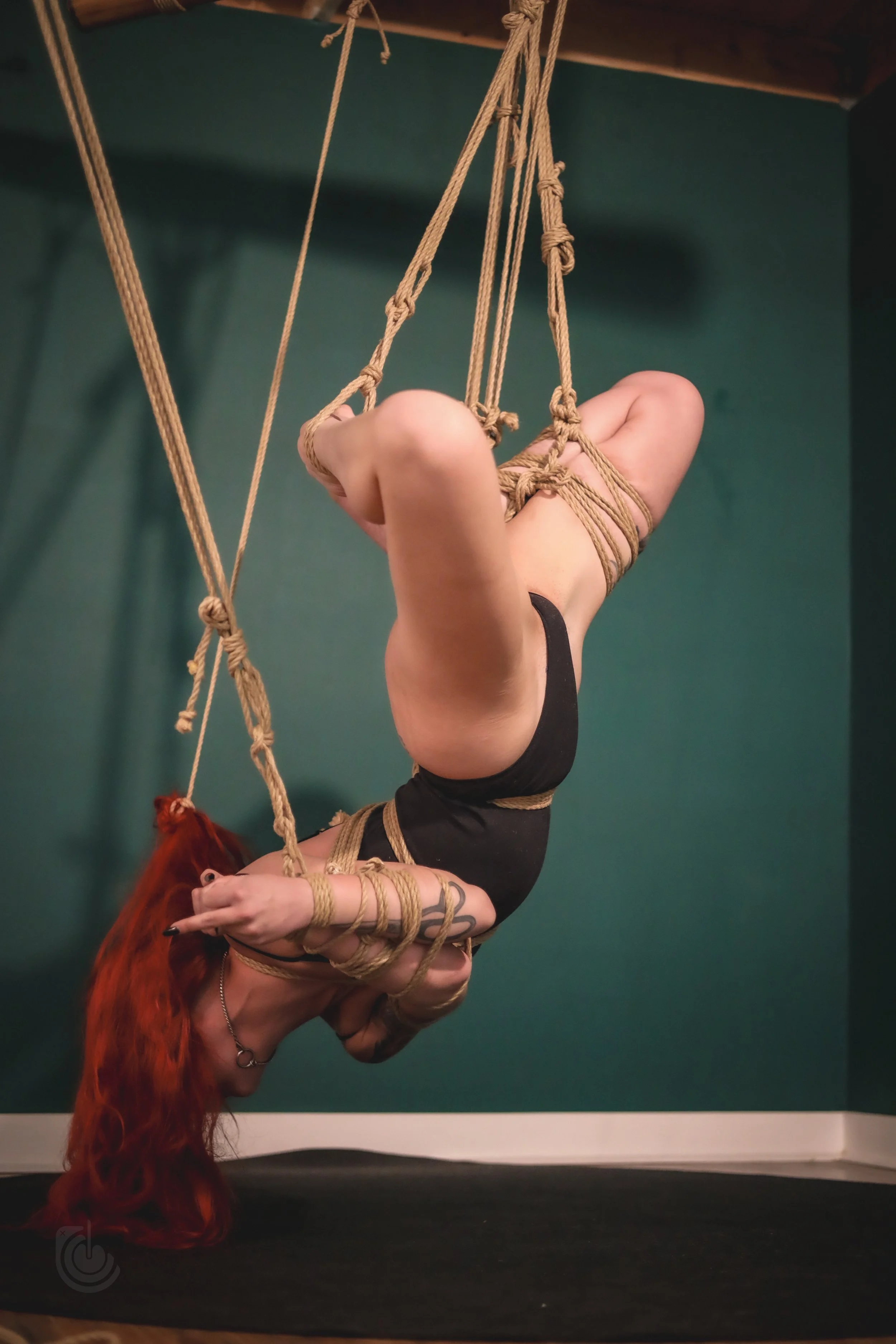
You can call me zero, z, or deep_webs.
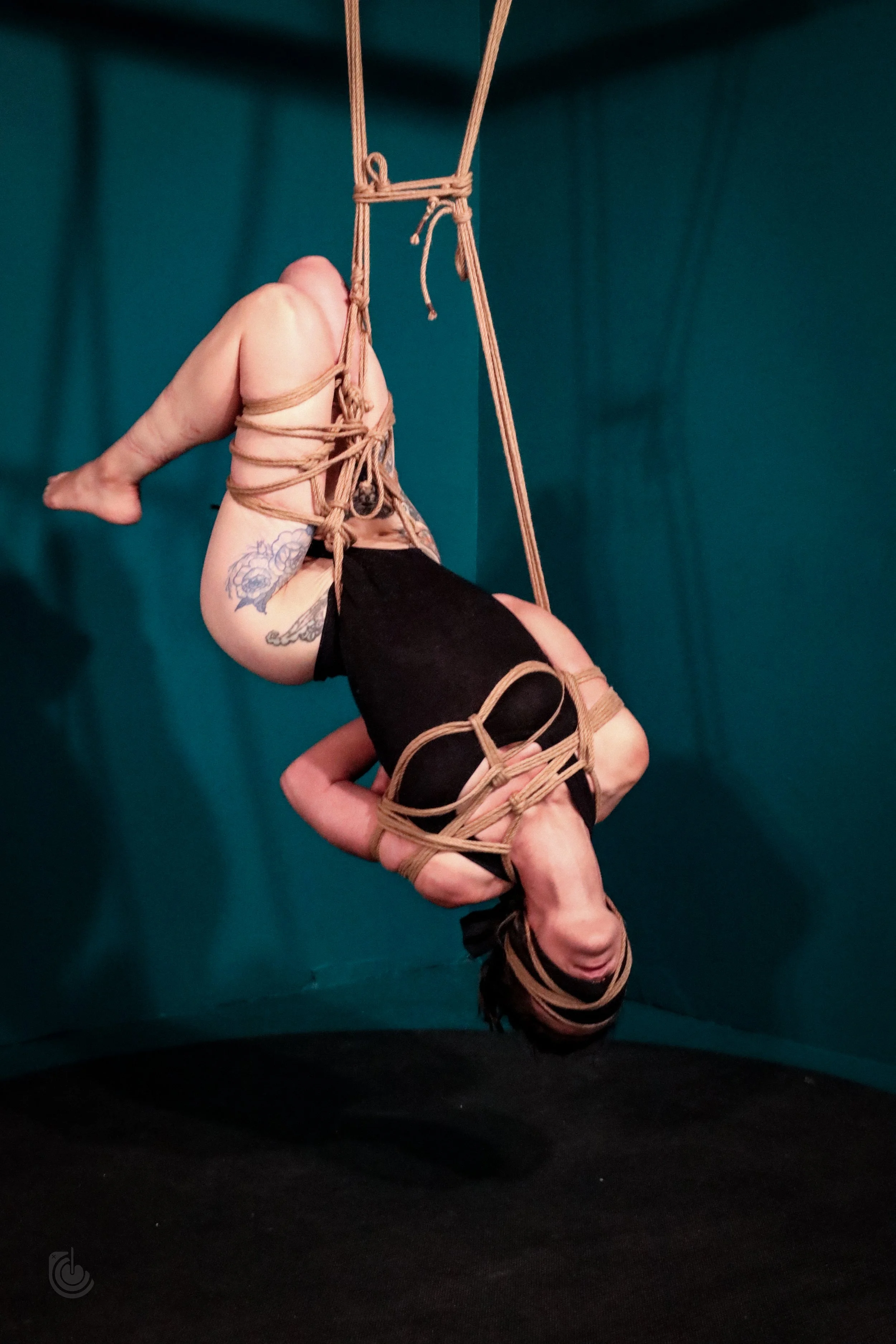
I have been tying knots for 25 years and tying them onto people's bodies for 11.
_______________________________________________________________________________________________________________________________________________________________________________________________________
the name deepwebs contains multitudes of meaning and connects the ways in which my access to
queerness was accessible on the internet,
the webs of connection between others within the shibari practice,
the connection of myself to my rope partner and all the way down to
the connection of their limbs to other limbs
The Art of Shibari connects the values I hold strongly in my life like
a sinew that grows stronger each time I engage with the practice.
From connecting me with my own body, bringing me closer to my values and the theoretical framework I hold dear and weaving with the neuropathways my brain finds the most calming — to the connection with my rope partner, the touch of skin, the conversations, the building of nonverbal languages, the continuous exploration of ways in which we can connect with people and understand them through consent, communication, and the subversion and containment of power dynamics — to the broader connections of folks who share in this practice internationally — rope is a tool that fills many uses.
In Sara Ahmed’s book “What’s the Use?” the concept of usefulness is explored. In deconstructing this concept, and pairing it with concepts in both “Glitch Feminism” by Legacy Russell and “The Xenofeminist Manifesto” by Laboria Cuboniks helps us find ways to utilize systems designed to be oppressive as means of liberation. The ways in which I attempt to participate in Shibari and kink is deeply rooted in these ideas of queering, glitch, and reclamation of power for the marginalized and oppressed. This is a constant learning and unlearning with a strong focus on transformative justice and accountability.